Fifteen Bucks and a MicroSD: The Music Format Nobody's Selling You
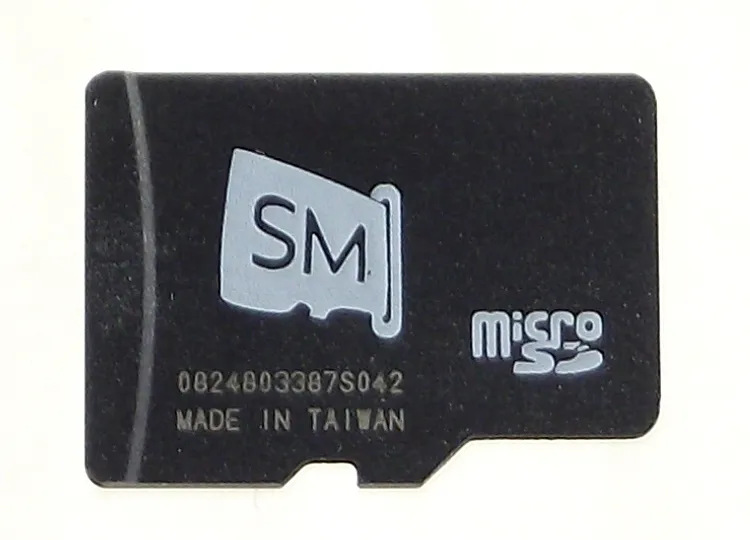
Photo: LibrarianJason, CC BY-SA 4.0, via Wikimedia Commons
Let's talk about the two ways Americans are told to consume music in 2025, because both of them are quietly terrible deals.
Option one: vinyl. Beautiful, tactile, and running you $30 to $45 per record for the privilege of a format that warps in a hot car and requires a $200 turntable to even play. Option two: streaming. Eleven bucks a month, forever, for music you don't own, in a catalog that shrinks without notice, gated behind an app that wants your attention more than your ears.
There's a third option. Nobody markets it because there's no subscription attached. It's a $15 microSD card, loaded with MP3s you actually own, that works in your car, your old MP3 player, a $30 Bluetooth receiver, your laptop, and a dusty boombox from 2004. It costs less than one vinyl record. It never asks for a renewal. And unlike your streaming account, nobody can ever take a single song off of it.
The Math Nobody at the Record Store Will Tell You
Let's do the arithmetic the industry hopes you won't.
A streaming subscriber pays about $130 a year, every year, and ends up with nothing. After ten years: $1,300 spent, zero ownership, and a library that evaporates the day you stop paying. We've written before about songs vanishing from streaming catalogs overnight — licensing deals expire, and your playlist is a suggestion, not a possession.
A vinyl collector pays $35 average per record for maybe 300 albums' worth of listening over a decade — call it $10,000, plus shelf space, plus a turntable, plus the emotional damage of a warped copy of your favorite album.
The offline MP3 collector? A 128GB card runs $15. Even buying tracks at a dollar a pop, you can own 3,000 songs for under the cost of a single year of streaming plus one record. Cost per song, over ten years: pennies. And at the end of it, you own the files. Outright. They work offline, they work in a dead zone, they work in 2045 if you want them to.
The People Who Already Figured This Out
Spend any time around certain crowds and you'll meet them: the offline collectors.
There's the retired schoolteacher in Tucson who loads a fresh card every January with her year's purchases and keeps the old ones labeled in a shoebox — a physical music collection that fits in a palm. There's the touring musician from Nashville who keeps his entire demo archive and reference library on two cards, because venue Wi-Fi is a myth and cloud storage fails exactly when you need it. There's the 19-year-old in Ohio who got priced out of streaming, bought a $25 MP3 player off a marketplace site, and now trades files with friends like it's 2005 — which, honestly, it kind of is again.
What they share isn't nostalgia. It's a refusal to rent. They'd rather spend once and own forever than pay monthly to borrow.
The Durability Argument
Here's the underrated part: a microSD card is absurdly tough. No moving parts. No screen to crack. It survives drops, heat, gloveboxes, and being run through the wash more often than your phone does. Try that with a vinyl record or a phone full of apps that demand updates and logins and two-factor authentication just to play a song.
The format is also format-proof in a way streaming never will be. MP3s have existed since the mid-90s and will open in virtually anything with a speaker for the rest of your natural life. No company can deprecate them, no service can sunset them, no login wall can stand between you and your own music.
Why Nobody Sells You This
The uncomfortable answer: there's no recurring revenue in ownership. A card full of MP3s is a one-time sale. Streaming and vinyl both have business models that reward you coming back — monthly, or record by record. The $15 setup asks for your money once and then leaves you alone, which is exactly why it gets zero ad spend.
Is vinyl more romantic? Sure. Is streaming more convenient for discovering new music? Sometimes. But for the bulk of what you actually listen to — the albums you've loved for years — a cheap card full of owned files is cheaper than vinyl, freer than any subscription, and tougher than everything else in your bag.
Fifteen dollars. One purchase. Your music, forever, no permission required. That's not a compromise. That's the best deal in music, hiding in plain sight.