The Mixtape Generation Strikes Back: Why Owning Your Music Is Cool Again
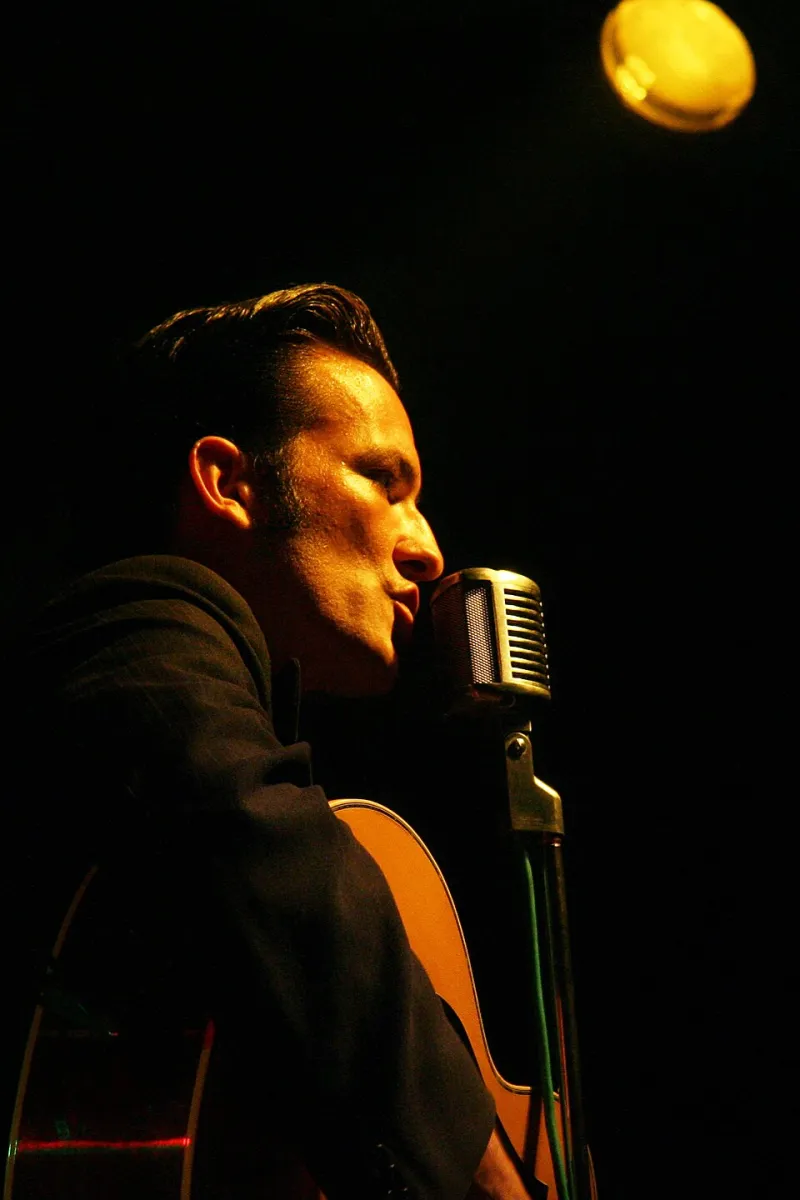
Photo: user:AngMoKio, CC BY-SA 2.5, via Wikimedia Commons
Somewhere along the way, we traded ownership for access, and access started acting like it could raise prices whenever it felt like it. Sound familiar?
Streaming was supposed to be the end of friction. Instead, 2024 and 2025 gave us wave after wave of subscription hikes, shrinking catalogs, and songs vanishing mid-playlist because a label renegotiated. The result is a quiet but growing movement: regular people rebuilding music libraries they actually own. Call it the return of the collection.
When Your Playlist Stops Being Yours
Here's the scenario that radicalizes people: you've had a playlist for six years. It's the soundtrack of road trips, breakups, moving days. Then one morning, a third of it is grayed out. The artist pulled their catalog. The licensing deal lapsed. Nobody asked you.
This isn't hypothetical. High-profile removals — from big-label standoffs to artists like Neil Young and Joni Mitchell pulling catalogs over platform disputes — have made one thing clear: when you stream, you're renting someone else's goodwill.
Compare that with the MP3 sitting in your folder. It plays. It always plays. It plays on a plane, in a dead zone, in 2045 if you want it to. That difference used to feel like a technicality. It doesn't anymore.
Three Listeners Who Went Back to Owning
We keep hearing versions of the same story, so let's sketch the archetypes.
The Hiker, 29, Denver. Lives for the backcountry, where streaming is a punchline. She converted her entire 900-song hiking library to files before a Utah trip and never looked back. 'My phone's storage was just sitting there doing nothing,' she says. 'Now it's my jukebox.'
The Dad, 47, Ohio. Watched his CD collection evaporate into a subscription that now costs more per month than a used album did. 'I paid for that music twice already,' he jokes. He's been slowly rebuilding his 90s collection from YouTube conversions, one Sunday afternoon at a time.
The College Kid, 21, Atlanta. Never owned music in her life until a favorite indie artist's catalog vanished from every platform overnight. Now she maintains a 3,000-song library on a 128GB SD card. 'It's my mixtape folder,' she says. 'I make playlists for friends like it's 2003.'
Notice the pattern: nobody's abandoning streaming entirely. They're building a permanent core collection alongside it — the albums and songs that matter too much to leave to chance.
The Legal Reality Check
Let's be straight about the landscape, because this is where a lot of articles get sloppy.
What's clearly fine:
- Ripping CDs you own to digital files
- Buying DRM-free tracks from stores like Bandcamp or artist storefronts
- Downloading music artists have explicitly made free or Creative Commons licensed
The gray zone:
- Converting YouTube content to MP3 for personal listening sits in a legally murky area in the US. The technology is legal and widely available; how you use it determines whether you're on solid ground. Personal-use conversion of music you could otherwise access is generally treated differently from redistribution, but copyright law doesn't hand out blanket guarantees.
What's never fine:
- Converting and selling files, sharing them publicly, or building a download site. That's distribution, and it's where actual enforcement happens.
The practical, honest guidance: convert for yourself, don't share, and support artists directly when you can — buy merch, grab concert tickets, purchase the albums you love. An offline library built thoughtfully can coexist with being a good fan. Frankly, many artists would rather you own a converted copy of their song than not hear it at all.
The Mixtape Revival
Here's what nobody saw coming: the offline library turned out to be emotional, not just practical.
The generation that grew up burning CDs for crushes and recording songs off the radio remembers that curation meant something. A playlist you assembled — file by file, named by hand — carries weight that an algorithmically generated 'Daily Mix' never will. There's a reason vinyl sales keep breaking records and why Gen Z is the fastest-growing demographic for physical media. People miss owning things.
The modern offline library is that same impulse with better tooling. It's the shoebox of tapes, digitized. It's the CD tower, compressed into a folder. And unlike a streaming account, it can't be repriced, restructured, or deleted by a corporation's quarterly earnings call.
Building Yours Without Overthinking It
If you're convinced, start small:
- Pick your top 100. The songs you'd rescue from a fire. Convert or acquire those first.
- Organize like a librarian. Consistent file naming, folders by artist or era, regular backups to an external drive or cloud storage you control.
- Upgrade your listening setup. Owned files mean you can use any player you want — including ones that respect your battery life and don't show you ads between songs.
- Back up twice. A library you own is only permanent if you protect it. One local copy, one off-site.
The Takeaway
Streaming isn't dying, and it doesn't need to. But the era of pretending access equals ownership is ending, and that's healthy. A personal music library — built once, kept forever, passed between devices like a heirloom mixtape — is the listener's answer to a subscription economy that keeps asking for more and promising less.
Own your favorites. Everything else can stay in the cloud.