Jumper Cables, Water, and a Charged MP3 Player: The Emergency Kit Item Nobody Talks About
Photo: 111 Emergency from New Zealand, CC BY 2.0, via Wikimedia Commons
Ask anyone in Oklahoma or the Gulf Coast what's in their storm kit and you'll get the standard list: water, flashlights, a hand-crank radio, maybe a first-aid kit. Nobody — and I mean nobody — mentions music. But after talking to folks who've actually sat through multi-day power outages, I've come around to a different view: a cheap device loaded with audio files deserves a spot right next to the jumper cables.
The Night the Network Goes Down
Here's the thing about streaming that we all quietly ignore: it's a promise, not a possession. That promise depends on cell towers, data centers, and your phone's battery all holding up at the exact same moment. During a hurricane, a wildfire evacuation, or an ice storm, those are precisely the things that fail first.
I talked to Dana, a retired nurse in Joplin, Missouri, who lived through the 2011 tornado and its long, dark aftermath. "The first two days, everyone was on their phones nonstop," she told me. "By day three, people were rationing batteries. The families that seemed the calmest? Somebody had a radio, and somebody had a little player with stuff saved on it. Kids' songs, church music, whatever. It sounds small. It was not small."
She's right. Morale is a resource in a disaster, and audio is one of the cheapest ways to preserve it. A restless kid in a shelter, a nervous driver on a detour at 2 a.m., an adult trying not to spiral while the generator hums — a familiar album can do real work in those moments.
What the Prep People Actually Load
Spend any time in overlanding forums or emergency-prep communities and you'll find a whole subculture around this. Their device of choice is usually a dedicated MP3 player or an old phone kept charged in a Faraday-style bag, deliberately separated from daily-use gear so it's never drained when things go sideways.
What's on them is more interesting than the hardware:
- Recorded instructions and references. First-aid walkthroughs, how to shut off your gas line, even copies of regional evacuation routes read aloud.
- Weather-band and NOAA audio rips. Some folks archive past emergency broadcasts and forecast explainers so they understand what the alerts actually mean.
- Morale playlists. One overlander in Colorado described his as "three hours of stuff my whole family agrees on." That's harder to build than it sounds, and it's worth doing before you need it.
- Audiobooks and long-form anything. When you're stuck, time is the enemy. A twelve-hour novel is a weapon against it.
Notice what's missing: anything that requires a signal. That's the whole point.
The Trunk Radio Test
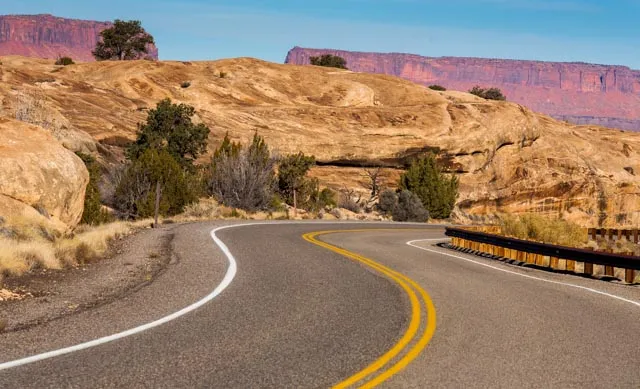
I've started thinking about this as the trunk radio test. Picture your car broken down on a stretch of Nevada highway where your carrier shows exactly zero bars — a very real experience for anyone who's driven US-50, the so-called Loneliest Road in America. Now picture your music situation. If your answer is "well, I'd stream something," congratulations, you have no music. If your answer is "the files on my dash cam's SD card," you pass.
The test isn't about entertainment, really. It's about redundancy. We keep physical spare tires for tires that almost never fail. Music infrastructure fails more often than tires, and almost none of us keep a spare.
Why Files Beat Streaming in the Worst Moments
Let's be concrete about what an offline audio file gives you that a streaming subscription doesn't:
- It works with the network down. No towers, no problem.
- It sips battery. A basic MP3 player can run for dozens of hours on a single charge. Your smartphone in rescue-mode brightness, maybe two.
- It can't be revoked. No license dispute, no regional catalog gap, no "this content is no longer available" screen at the worst possible moment.
- It's shareable. You can hand a cheap player to a neighbor or a shelter volunteer. Try passing your logged-in phone around.
That last one matters more than people realize. Audio you actually own is audio you can give away.
The Obvious Caveat
I'm not going to pretend the copyright question disappears. Saving files from the internet lives in a legal gray zone depending on the source and where you are, and I've covered that territory before on this site. What I'd say for the emergency case is this: rip your own CDs, buy the DRM-free tracks, and stick to audio you have a legitimate claim to. A disaster kit doesn't need ten thousand songs. It needs two hundred good ones. Build it clean.
The Takeaway
Nobody's saying music is as important as water. But a $25 player, loaded once a year and kept charged in the center console or the go-bag, is one of the highest-value, lowest-cost additions to any emergency kit. The storm-belt folks figured this out a while ago. The rest of us are one dead zone away from figuring it out the hard way.
Charge it. Load it. Forget about it — until the night you're very glad it's there.