Uncle Dale's Demos Are Dying in a Shoebox: A Weekend Plan to Rescue Them
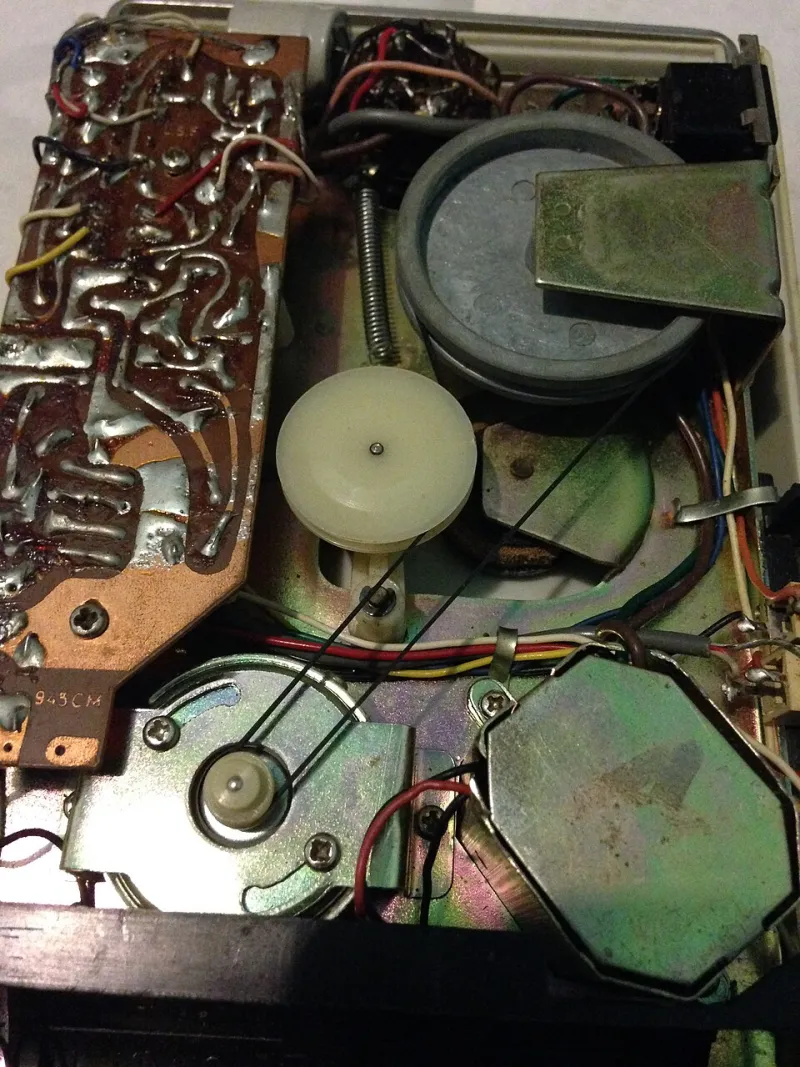
Photo: AnatGutman, CC0, via Wikimedia Commons
Somewhere in America, probably within a mile of you, there's a shoebox full of cassette tapes that will never exist on Spotify. Not behind a paywall. Not coming soon. Nowhere. Ever.
Maybe it's your uncle Dale's band from 1987 — three guys, one garage, a four-track recorder, and dreams of opening for somebody at the VFW hall. Maybe it's the church choir recording from 1974, or the answering machine tape where your late grandfather leaves a voicemail that makes the whole room laugh every Thanksgiving.
Here's the uncomfortable truth: those tapes are on a timer. Cassette shells degrade, the adhesive that holds the tape together breaks down, and basements and attics — the two places Americans reliably store family memorabilia — are basically mold greenhouses. Every year you wait is a year the tape gets a little more brittle, a little more warped, a little more gone.
The good news? Rescuing this stuff is cheaper and easier than almost anyone thinks. Here's the plan I'd give my own family.
Step One: Triage Before You Touch Anything
Before you press play on anything, look at the tapes. If a cassette smells musty, has visible white or greenish fuzz, or the tape looks wavy when you peek through the window, stop. Moldy tape can gum up a player and spread spores to your good tapes.
Set the questionable ones aside in a separate, sealed container. Some can be gently cleaned with isopropyl alcohol and a cotton swab on the tape path — but if the recording is truly irreplaceable, a local media transfer service can handle baked-and-cleaned restoration for $15–30 a tape. Worth it for the one tape that matters most.
The healthy tapes? Those you can do yourself.
The Hardware: About $40 and a Trip to the Junk Drawer
You do not need a vintage hi-fi setup. You need three things:
- A working cassette player with a headphone or line-out jack. Thrift stores are drowning in them for $5–10. A basic Walkman-style player works fine.
- A USB audio capture device. These little dongles (search "cassette to USB adapter") run $15–25 online and plug the player's output straight into your computer.
- Free software. Audacity is the gold standard — free, open source, and runs on basically anything. It records the audio live and lets you edit afterward.
Plug the player into the dongle, the dongle into the computer, hit record in Audacity, hit play on the tape, and wait in real time. Yes, real time — a 45-minute tape takes 45 minutes. Put on a podcast. This is a weekend project, not an afternoon one.
Cleanup: Five Minutes of Editing That Makes It Listenable
Raw cassette rips sound like, well, cassettes — hiss, hum, the occasional clunk of the player mechanism. Audacity has one-click fixes that get you 80% of the way there:
- Noise Reduction: Highlight a few seconds of silence at the start of the recording, tell Audacity "that's the noise," then apply the reduction to the whole track. Magic.
- Normalize: Brings quiet garage recordings up to a listenable volume.
- Split tracks: If it's a demo tape with multiple songs, use Silence Detection or just manually add labels, then export each song as its own file.
Don't over-polish. A little tape hiss is the sound of 1987. Scrubbing it all out makes your uncle's band sound worse, not better.
File Names Matter More Than You Think
Here's where most family archive projects die: everything gets saved as "recording_01.mp3" into a folder nobody opens again.
Instead, name files like a human who won't remember anything in ten years:
1987-06_DaleKings_Demo_Track3_SongTitle.mp3
Date, who, what, which track. Then put the folder in at least two places — a cloud backup AND a thumb drive in a drawer somewhere. Cloud services shut down, drives fail, and the whole point of this exercise is redundancy. One copy is zero copies.
While you're at it, write down the context. Who was in the band? Where was the choir recorded? Ten minutes of notes turns a file into a story, and the story is the actual inheritance here.
Why Bother? Because Nobody Else Will
Streaming has 100 million songs and not one second of your uncle's garage band. That's the whole case for owning your music — the stuff that matters most to you was never going to be on anyone's platform. It only exists if somebody in your family takes an afternoon to save it.
So this weekend: dig out the shoebox, sniff-test the tapes, order a $20 adapter, and start with the one recording you'd be most crushed to lose. The rest can wait a week. Dale's demos have already waited 38 years — but not forever.